By: Becky Meline LIMHP LISW IADC

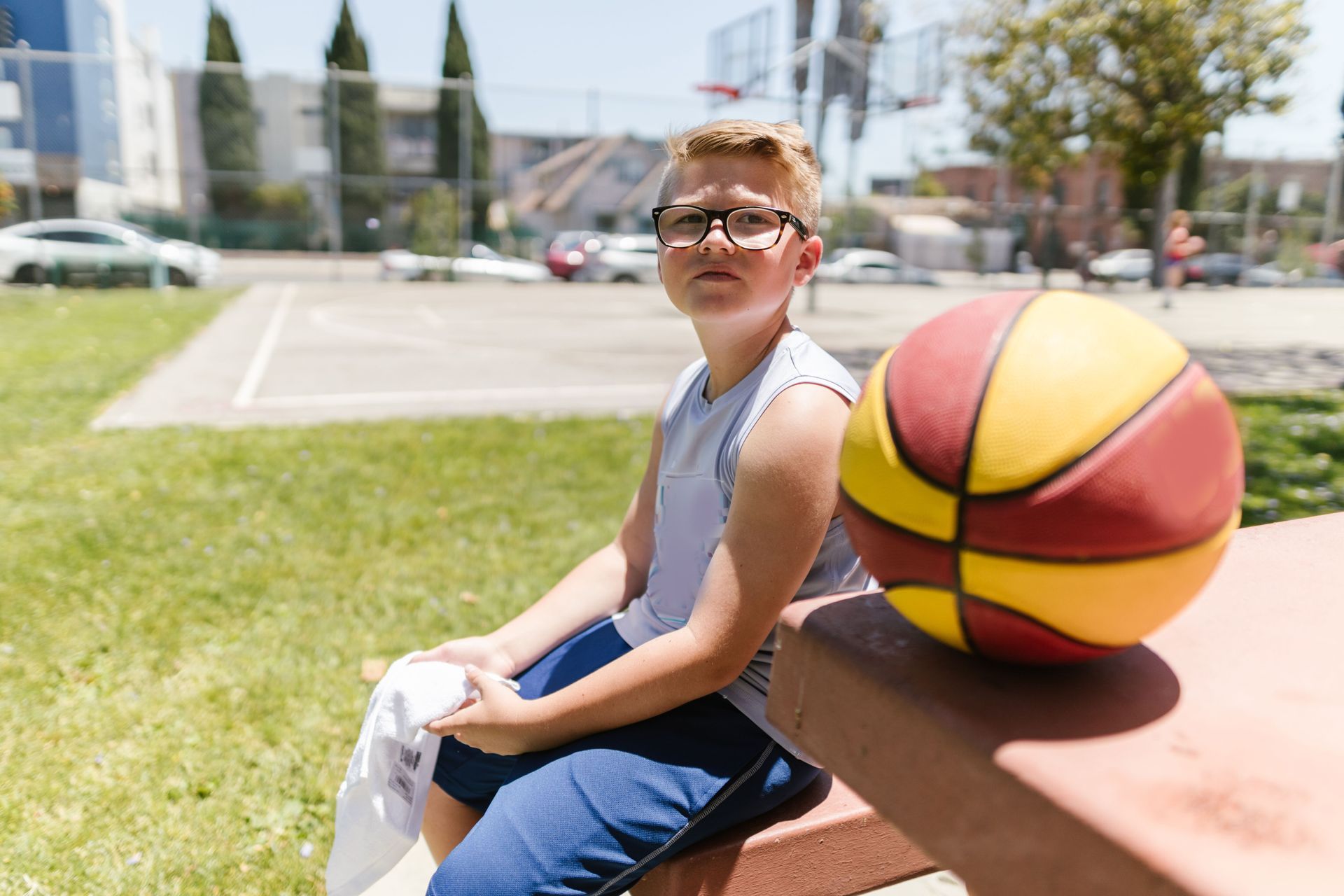
When I meet with teams to discuss mental barriers; many appear confused at first until we start talking; then, almost all can relate in some way. Whether it is a recurring issue; or one that they experienced and were able to move past, it becomes clear that mental blocks are very common with athletes.  A mental block in sports is a psychological obstacle that prevents athletes from performing at their peak level, or prevents them from performing a specific skill. These blocks are very common; yet not always recognized. I’m going to outline some of the most common signs to look for in athletes that indicates they have a mental block to work through.

     1. Inconsistency in Perfor mance

Inconsistency in play is when an athlete cycles between playing really well, and then really poorly. Don’t get me wrong, every athlete has a bad game here and there, but when their performance feels like a roller coaster for what you will get on a given night; this would constitute as inconsistency.  This inconsistency has been shown by research to be caused by psychological, not physical factors, and can be extremely frustrating for athletes.

     2. Playing Timid and Scared to Make Mistakes

One of the biggest mental barriers for athletes is overcoming their fear of failure; and fear of failure comes from setting high, and sometimes unrealistic, expectations for themselves in competition. I commonly hear from athletes that they feel if they don’t play their best, the team will lose. Playing with this type of pressure rarely, if ever causes athletes to play better, unless they have a strong mental game.

     3. You Practice Better than you Perform in Games

When athletes practice well and compete poorly, it’s a surefire way to know that they have a mental block. Athletes tend to play more relaxed at practice because they aren’t focused on a particular outcome or goal like they would be in games or performances.  When athletes play relaxed they perform at their best; but when game time comes they are likely focusing on an outcome such as needing to win the game, or on getting a certain statistic.

     4. Avoidance of Practice or Games

I’ve talked at length about perfectionism in athletes as being a major mental barrier; and when I hear that an athlete wants to quit a sport or avoid certain games and practices, it usually means some perfectionism is surfacing. Anxiety in sports is common; it presents itself as pre-game jitters, or nervousness before a game. When the anxiety causes extreme distress, however, our mind naturally tries to avoid the task. The more we avoid doing something; the bigger and scarier it becomes in our mind, which in turn causes more avoidance. The psychology behind the avoidance could be that they had a bad experience in the game or with a certain team; or that they fear embarrassment, not living up to standards, or don’t want to make mistakes.  It becomes easier to avoid trying, than it is to face these fears.

     5. Overly Emotional or Easily Frustrated

Sometimes referred to as “hot heads” these athletes get angry and frustrated at themselves for any mistake they make. Often times they are demanding perfection of themselves in their play and there is no wiggle room for anything less. Even minor mistakes become catastrophic in their minds.  These athletes struggle to move past their mistakes and play in the present moment.

What helps?

Mental barriers are common and every athlete has encountered some; so what helps overcome them?

Focus on Having Fun

Most athletes start playing their sport because they have fun and enjoy it; but when you start feeling extreme pressure to perform a certain way, it becomes less like a sport, and more like a job. Athletes perform at their best when they are relaxed; and when focused on having fun, it tends to allow the players to compete in a more relaxed frame of mind. Many times athletes tell me that they prefer to play basketball in their driveway rather than in their game; and it comes down to having fun for them. Don’t mistake having fun with goofing off, but getting back to playing with no expectations for an outcome with a positive attitude will go a long way.

Make Practice More Game-like

Dr. Cohn, owner of Peak Performance Sports, talks a lot about the different mindsets between practice and games. During practice, the focus is on sharpening technique and skill, but by the time you get to a game, you trust in these skills and try not to overthink technique. Try practicing both of these mindsets in practice to better prepare you for games.

Mindfulness and Breathing

Mindfulness is the new age skill taking over the competition world.  Research shows how it helps athletes increase focus, confidence and consistency in their performance. For athletes that struggle to let go of mistakes, become overly emotional, and have issues with consistency, this is the skill for you. Mindfulness trains your brain to play in the present moment; and when done consistently this mental skill improves as practice does with physical skills.

See a Professional

If you are experiencing a mental block that has been present for a while and not seeing much change; it is probably not going away without some more intense intervention. Unfortunately; many times athletes quit their sport because they get so frustrated with their struggling performance and lack of enjoyment. Seeing a professional can help establish an individualized plan to overcome their specific barrier and gain skills to have more control over their performance.

Becky began her journey into this profession at the University of South Dakota as a student-athlete where she received her bachelor’s degree in psychology and played volleyball for the Coyotes.  She was a four year starter and held the universities career kill record for 11 years.  She was Conference Player of the Year her senior year and awarded Female Athlete of the Year for USD in 2004.  For the past 9 years she has practiced therapy with adults, and specialized in the treatment of adolescents and children.  She moved into a dual role 4 years ago as a clinician and a Clinical Supervisor overseeing a community mental health clinic in Iowa; and has a private practice Focus Therapy in Omaha, NE. For more information on Becky and the services she provides you can visit Facebook @focustherapyomaha or visit the website at focustherapyomaha.com


By Becky Meline June 10, 2026
Feeling mentally overwhelmed, distracted, and constantly on edge? Focus Therapy provides anxiety and ADHD therapy in Omaha, NE, for better regulation and focus.
May 12, 2026
Fear of Re-Injury Is Real—Here’s How Sports Psychology Performance Coaching Helps Athletes Come Back Stronger in Omaha
May 12, 2026
How to Find a Therapist in Omaha, NE When Everyone Has a Waitlist
By Katie Cooley, LMHP May 12, 2026
LGBTQ Resources in Omaha, Nebraska
By Jesse Nguyen May 1, 2026
Be Where Your Feet Are: How Athletes Can Stay Present and Perform at Their Best In sport, the difference between good and great often isn’t physical—it’s mental. One of the most powerful mental skills an athlete can develop is the ability to stay present. To be where your feet are. Not stuck replaying the last mistake. Not fast-forwarding to the outcome. Just fully locked into the moment you’re in. Because performance only happens now. Here are practical ways athletes can train that skill and show up at their best when it matters most: 1. Recognize When Your Mind Has Left the Moment You can’t refocus if you don’t first notice you’ve drifted. Common signs: Replaying a mistake (“I can’t believe I did that…”) Jumping ahead (“What if I miss this?”) Thinking about what others are thinking Awareness is step one. The goal isn’t to never get distracted—that’s unrealistic. The goal is to catch it faster. 2. Use a Reset Cue Have a simple, repeatable phrase or action that brings you back. Examples: “Next play” “Right here” “This moment” A deep breath + exhale This becomes your mental “home base.” Every time your mind wanders, you come back to it. 3. Anchor to Your Senses Your body is always in the present—even when your mind isn’t. Quick ways to ground yourself: Feel your feet in your shoes or on the field/court Notice your breathing Listen for a specific sound (whistle, crowd, ball contact) This pulls you out of your head and back into the moment. 4. Focus on Process, Not Outcome Pressure lives in outcomes. Freedom lives in process. Instead of: “I need to score” Think: “Clean first touch” “Strong follow-through” “Attack the ball” Process goals are controllable and keep you engaged in the present. 5. Create a Between-Play Routine The best athletes don’t leave focus to chance—they build it into routines. Between plays: Release the last moment (good or bad) Reset with a breath or cue Refocus on your next role This creates consistency, especially under pressure. 6. Accept Mistakes Faster Mistakes don’t hurt performance nearly as much as how long you stay stuck on them. Present athletes: Acknowledge it Learn (if needed) Let it go Lingering is what pulls you out of the moment. 7. Train Presence in Practice You can’t expect to be present in games if you don’t practice it. In training: Notice distractions Use your reset cue Refocus intentionally Mental skills are built just like physical ones—through repetition. 8. Simplify Your Focus Under Pressure When the moment gets big, your focus should get small. Instead of thinking about everything: Lock into one cue One job One action Clarity creates confidence. 9. Trust That This Moment Is Enough Often, athletes leave the present because they feel like they need to do more, be more, or control more. But peak performance comes from: Trusting your preparation Trusting your instincts Trusting the moment in front of you You don’t need to win the whole game in one play. Just win this moment. Final Thought “Be where your feet are” isn’t just a phrase—it’s a competitive advantage. When you’re present: You react faster You think clearer You play freer And most importantly—you give yourself access to the performance you’ve trained for. The next time your mind drifts, don’t get frustrated. Just come back. Right here. Right now.
By Jesse Nguyen April 28, 2026
The body content of your post goes here. To edit this text, click on it and delete this default text and start typing your own or paste your own from a different source.
November 11, 2025
Becky Meline, LIMHP MGCP Comparison is something every athlete faces — whether it’s comparing stats, playing time, body type, or social media highlights. In today’s world, athletes aren’t just competing on the field or court — they’re competing with what they see online. You scroll through Instagram and see a teammate posting highlight reels, another athlete committing to their dream school, or someone showing off their “perfect” body or training grind. Before you know it, you start questioning your own progress and wondering if you’re enough. Here’s the truth: comparison steals joy, confidence, and focus — three things every athlete needs to perform at their best. Let’s talk about how to manage it. 1. Recognize That You’re Seeing a Highlight Reel Social media shows the best moments, not the full story. That picture-perfect post doesn’t show the athlete’s struggles, failures, or late-night frustrations. Remind yourself that you’re seeing a filtered version of someone’s journey — not their full reality. When you catch yourself comparing, try saying to yourself: “I’m only seeing their highlight reel, not their hard days.” Grounding yourself in that truth helps bring the focus back to your own path. 2. Focus on Your Lane Every athlete develops differently — physically, mentally, and emotionally. Some teammates peak early, others find their stride later. Comparing your chapter 2 to someone else’s chapter 10 only hurts your growth. Instead, shift your mindset: Set your own goals — what do you want to improve this week? Track your own progress — celebrate small wins like better recovery, stronger mindset, or consistent effort. Remember your why — why you play, why you train, and what you love about your sport. When your focus is inward, comparison loses power. 3. Use Comparison as Feedback, Not Judgment Comparison isn’t always bad — it can become fuel when used the right way. Instead of thinking, “She’s so much better than me,” shift to, “What can I learn from her?” If a teammate has great confidence, work on your mental game. If someone’s faster or stronger, ask what drills or training helped them. Growth-minded athletes turn comparison into curiosity — not criticism. 4. Take Breaks from Social Media If scrolling makes you feel less than, it’s okay to step back. Unfollow accounts that trigger insecurity and follow people or pages that inspire healthy habits, positivity, and confidence. Try creating boundaries: No scrolling before or after practice 24-hour social media break after tough games Limit time on comparison-heavy platforms like Instagram or TikTok Protect your mental space the same way you protect your body — both impact performance. 5. Build Genuine Connections with Teammates Comparison can isolate you — but connection heals it. When you build real relationships with teammates, you realize that everyone has insecurities and goals they’re working toward. Support each other. Celebrate each other’s wins. When your team culture is rooted in encouragement instead of comparison, everyone performs better. 6. Remind Yourself of What Makes You, You No one else has your exact mindset, skills, story, or purpose. That’s your superpower. When you catch yourself comparing, pause and remind yourself: “I have my own strengths, and I’m working on becoming my best self.” Confidence grows when you anchor your worth in who you are — not in how you measure up to others. Every athlete struggles with comparison — it’s part of being human. But learning to manage it is part of becoming mentally strong. Focus on your growth, surround yourself with supportive people, and remember that your path doesn’t have to look like anyone else’s to be meaningful. You’re building your story — and that’s something worth being proud of. Becky Meline, LIMHP MGCP Licensed Clinician & Certified Performance Coach
October 21, 2025
Becky Meline, LIMHP MGCP Every athlete wants to succeed—or at least feel that they have reached their highest potential. You train hard, set goals, and push yourself to reach your potential. But sometimes, that drive for success turns into something heavier — the pressure to be perfect. When every mistake feels like failure, confidence and joy in the sport can quickly fade. Perfectionism in sports is one of the main culprits that bring athletes into my office. That’s where mindset comes in. Understanding whether you’re operating from a growth mindset or a fixed mindset can completely change how you handle mistakes, challenges, and even perfectionism itself. What’s the Difference? Fixed Mindset: A fixed mindset believes that your abilities and talents are set in stone — you’re either “good” or “not good” at something. Athletes with this mindset might think, “I’m just not fast enough,” or “If I mess up, it means I’m not talented.” Mistakes become threats. Feedback feels personal. Failure means you’re “not enough.” Growth Mindset: A growth mindset sees abilities as things that can be developed through effort, practice, and learning. Challenges become opportunities to grow. Mistakes are feedback. And setbacks are simply part of the process of getting better. This mindset says, “I can learn from this,” or “I haven’t mastered it yet. How Mindset Affects Perfectionism Perfectionism often grows out of fear — fear of not being good enough, of disappointing others, or of making mistakes. When you have a fixed mindset, that fear feels justified because every error feels like proof that you’ve hit your limit. But when you shift to a growth mindset, mistakes stop being proof of weakness. Instead, they’re part of your path to mastery. You begin to understand that everybody starts as a beginner until they meet mastery in a skill. Failure doesn’t define you. Effort isn’t a sign of lack — it’s the key to improvement. Progress matters more than perfection Practical Ways to Build a Growth Mindset 1. First and foremost, you have to believe it’s possible for you to improve and get better. It might sound simple, but it’s the first step to becoming your greatest self. When athletes don’t believe it’s possible, it’s the exact opposite of a growth mindset and it keeps you stuck. 2. Add “Yet” to Your Thinking When you catch yourself saying, “I’m not good at this,” add “yet.” → “I’m not good at this yet.” It’s a small word that shifts your thinking from limitation to possibility. “Yet” helps you see that this is a skill that can be developed and improved upon through effort and reps. 3. Mistakes are Data—use the information to help you grow After a tough game or practice, ask yourself: What did I learn? What will I do differently next time? What went well despite the mistake? 4. Focus on the Process, Not the Outcome Instead of obsessing over stats, rankings, or wins, focus on controllables — your effort, your attitude, your preparation. The more you value growth over results, the less perfection will control you. 5. Embrace Feedback as a Tool to Help you Grow—Not a Personal Attack Coaches correct you because they see potential. Listen to feedback without taking it as criticism of who you are — it’s simply a roadmap to improvement. 6. Celebrate Small Wins Every bit of progress deserves recognition. Whether it’s better body language, improved focus, or a new personal best, celebrating small wins reinforces growth over perfection. The most successful athletes aren’t the ones who never fail — in fact, they have likely failed more than anyone else. The difference is that they didn’t stop, they kept going and showed grit through their adversity. They’re the ones who learn, adapt, and keep going. A growth mindset frees you from the pressure of perfection and helps you rediscover the love of competing and improving. You don’t need to be perfect. You just need to keep growing—and keep in mind that everyone grows at different rates. 
September 26, 2025
Becky Meline, LIMHP MGCP For many athletes, the dream of playing at the next level is both exciting and overwhelming. Junior year is a huge year both academically and athletically if you have a child interested in playing at the next level. The college recruitment process is filled with opportunities, but it also brings its fair share of stress, distractions, and comparison. To help you navigate this journey with confidence, here’s a roadmap that balances the practical side of recruiting with the mental and emotional skills needed to thrive. Know Your Path and Set Goals The first step in the recruitment journey is clarity. I tell my athletes that this is the “information gathering stage”--- Ask yourself: What level of college athletics am I realistically aiming for (Division I, II, III, NAIA, JUCO)? What type of school environment do I want academically and socially? How far from home am I comfortable going? Do they have the major that I am interested in studying? How much does it cost to go there in case I don’t get a full ride? Setting goals not only gives you direction but also helps you avoid distractions. When you know what you’re aiming for, it’s easier to tune out noise and comparison. This starts to give you a direction when you feel overwhelmed with where to start. Market Yourself Effectively College coaches don’t just “find” athletes anymore—you need to put yourself out there. Here’s how: Highlight videos: Create a short, clear highlight reel showcasing your best plays and skills. Keep it professional and concise. Player profile: Prepare an athletic résumé that includes stats, GPA, academic honors, contact info, and coach references. Social media presence: Keep your accounts clean, professional, and reflective of your character. Coaches notice how you present yourself online. Remember: marketing yourself is about showing your strengths, but also about being authentic. Coaches want athletes who fit their culture, not just highlight reels. Master the Conversation with Coaches Talking with college coaches can feel intimidating, but preparation helps. This is one of the biggest stressors for my athletes--knowing how to present themselves and what to say. Be respectful and direct: Always address coaches properly, thank them for their time, and be clear in your communication. Ask good questions: Inquire about team culture, academic expectations, and how they see you fitting into their program. I encourage my athletes to look into the program before you have a phone call so that it shows your level of interest in the school. Follow through: If a coach asks for film, transcripts, or updates, send them promptly. Reliability speaks volumes. Confidence comes from preparation. Practice with your high school or club coach, or even role-play conversations with a parent, so you’re ready when opportunities come. Handle the Mental Side of Recruiting The recruiting process can easily weigh on your mental health if you don’t protect yourself. Here are some common challenges—and strategies to handle them: Social Media Comparison It’s easy to scroll and see other athletes posting their commitments or offers and wonder, Why not me? Remember: everyone’s journey looks different. Instead of comparing, focus on your growth and opportunities. Celebrate others, but stay committed to your own path. Balancing Recruiting and Your Season Recruiting can feel like a full-time job. But your number one priority should always be your high school or club season—keep in mind that is where you are getting the highlight reels to send out! Coaches want to see you competing at your best, not burned out by the pressure of emails and highlight videos. I encourage my athletes to set aside designated times each week to handle recruiting tasks so it doesn’t take over your life. Whether that’s an open period you have each week or Sunday afternoons for a couple of hours—compartmentalize your time because you can only put your energy into one thing at a time. I tell my athletes that “no matter how well you worry about recruiting during school, practice or games, it is just wasted energy in that moment” so save it for your designated time. Managing Stress and Distractions Recruiting brings highs and lows—some coaches may show interest, others may not—and that doesn’t mean you’re not good enough. It’s important to stay grounded: Practice mindfulness or breathing exercises before games. Lean on trusted adults for perspective. Keep a journal of small wins to remind yourself of progress. Remember the Bigger Picture At the end of the day, recruitment isn’t just about where you play or what Division you’re in—it’s about where you’ll grow. The right program is one where you’ll thrive athletically, academically, socially and personally. Stay patient, keep working, and trust that the right fit will come. Final Thoughts  The college recruitment journey is as much about mental resilience as it is about athletic talent. With a clear roadmap—setting goals, marketing yourself, preparing for coach conversations, and protecting your mindset—you can move through the process with confidence. Focus on what you can control, enjoy the ride, and remember: your worth isn’t defined by an offer, but by the effort, character, and dedication you bring every single day.
By Stef McAlpin LMHP September 24, 2025
By: Stef McAlpin LMHP Parent-Teacher conferences are more than a scheduled meeting; they are an opportunity to strengthen the bridge between home and school. Because, when parents and teachers come together with open communication and shared purpose, students benefit the most. ________________________________________ 🌟 Why Conferences Matter • Provide a focused time to discuss a child’s strengths, challenges, and progress • Encourage collaboration, ensuring home and school strategies align • Create a shared vision for supporting academic, social, and emotional growth ________________________________________ 📝 Practical Guidance for Parents Conferences can feel overwhelming, especially if strong emotions arise. Approaching the meeting with preparation and a neutral perspective can help with both parent and child apprehension. Prepare Ahead • Write down questions or concerns before the meeting • Bring examples if you’ve noticed changes in your child’s behavior, homework, or stress levels; both positive and challenging Listen & Take Notes • Teachers often share insights parents may not see at home • Jot notes to remember next steps and follow-through Collaborate on Solutions • Ask how you can support learning at home • Share what strategies already work for your child Stay Student-Focused • Keep conversations centered on your child’s needs • If disagreements arise, focus on problem-solving rather than blame Clarify Next Steps • Confirm goals, strategies, or follow-up meetings before leaving ________________________________________ ⚖️ When Conflict Arises Not every conference feels productive. If emotions run high or you leave with more frustration than clarity: • Pause & Reflect before reacting; jot down what was helpful and what was unclear • Clarify in Writing with a brief, polite follow-up email to confirm next steps • Stay Child-Focused to keep the conversation on your child’s needs, not personal disagreements • Seek Support from a school counselor or specialist if another meeting would help 💡 Conflict can feel uncomfortable, but handled with care, it can open the door to better understanding and stronger collaboration. ________________________________________ 🌱 Finding Support at Focus Therapy & Performance Coaching If conferences bring up stress, conflict, or concerns about your child’s well-being, you don’t have to carry it alone. At Focus Therapy & Performance Coaching, we support children, teens, and families in navigating school-related challenges with confidence and calm. Therapy can help by: • Strengthening communication skills for parents and children • Building emotional regulation strategies to manage stress and anxiety • Supporting executive functioning skills like focus, organization, and follow-through • Providing a safe space for parents to process frustrations and plan next steps • Helping families work together so home and school feel more connected ✨Parent–teacher conferences are just one part of your child’s journey. With the right tools and support, these meetings can become steppingstones toward growth and resilience for both you and your child. Focus Therapy offers a safe place to process what you’ve learned, explore your child’s needs more deeply, and practice ways to invite problem-solving without conflict. ________________________________________ ✨ At Focus Therapy and Performance Coaching, we walk alongside individuals and families through all seasons of growth. Whether you are navigating school challenges, supporting your child’s emotional needs, or preparing for important conversations, we provide a safe, compassionate space. 📞 Contact: 531-289-8247 📧 Stef McAlpin – stef@focustherapyomaha.com